
Discover how pink Himalayan salt can support your weight loss goals through simple, mineral-rich recipes backed by nutritional science.
Table of Contents
1. What Is Pink Himalayan Salt?
2. Can Pink Salt Actually Help with Weight Loss?
3. The Mineral Profile: What Makes Pink Salt Different
4. 7 Pink Salt Recipes for Weight Loss
5. Pink Salt Sole Water: The Morning Metabolism Drink
6. How Much Pink Salt Should You Use Daily?
What Is Pink Himalayan Salt?
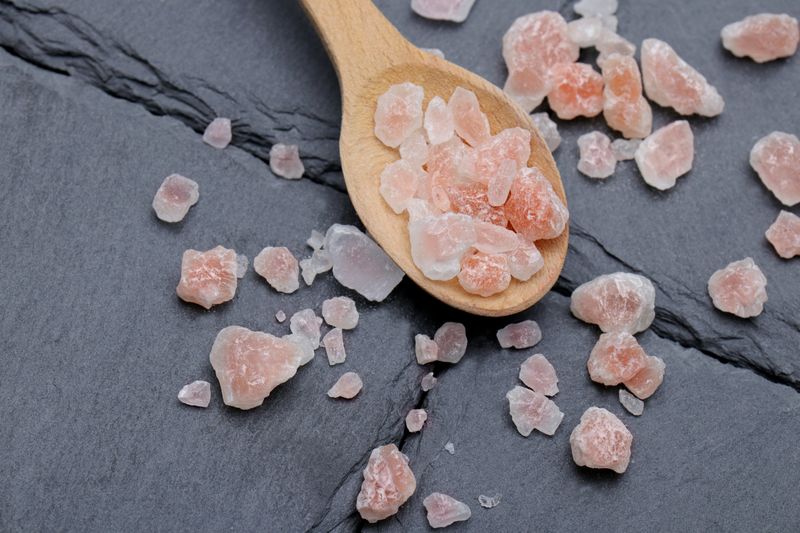
Pink Himalayan salt is a rock salt harvested from the Khewra Salt Mine in the Punjab region of Pakistan, located at the foothills of the Himalayan mountain range. Its distinctive pink color comes from trace amounts of iron oxide and other minerals embedded within the crystalline structure during millions of years of geological formation.
Unlike heavily processed table salt, which is stripped down to nearly pure sodium chloride and often contains anti-caking agents, pink Himalayan salt is minimally refined. This means it retains a broader spectrum of naturally occurring minerals. A study published in the journal Foods by Fayet-Moore et al. (2020) analyzed the mineral composition of commercially available pink salt samples and confirmed the presence of calcium, potassium, magnesium, iron, and zinc, among other trace elements.
It is worth noting that while the mineral diversity of pink salt is real, the actual concentrations of these trace minerals are quite small. You would need to consume unrealistic amounts of salt to meet your daily mineral requirements from pink salt alone. Still, the cumulative effect of choosing a less processed salt option can be a meaningful part of an overall healthy eating strategy.
Can Pink Salt Actually Help with Weight Loss?
This is the question that matters most, and the honest answer requires some nuance. There is no peer-reviewed clinical trial that directly proves pink Himalayan salt causes weight loss. No salt, regardless of its mineral content, will burn fat or reduce your body weight on its own.
However, there are several indirect mechanisms through which pink salt may support a weight loss plan. The first is improved hydration and electrolyte balance. When you are dieting and reducing calorie intake, your body often loses water and electrolytes more rapidly, especially if you are also exercising. The trace minerals in pink salt, particularly sodium, potassium, and magnesium, help your cells retain the right amount of water and maintain proper fluid balance. Better hydration has been associated with improved metabolic function in multiple studies, including research published in the Journal of Clinical Endocrinology and Metabolism showing that drinking 500 ml of water increased metabolic rate by approximately 30 percent within 10 minutes.
The second mechanism involves digestive support. Pink salt dissolved in warm water may stimulate the production of hydrochloric acid in the stomach, which aids in the breakdown and absorption of nutrients. Efficient digestion means your body can better extract energy from food and reduce bloating, which many people experience during dietary changes.
Third, adequate mineral intake can help reduce cravings. Research in the field of nutritional psychiatry suggests that mineral deficiencies, particularly magnesium and zinc, can trigger increased appetite and cravings for processed foods. By maintaining better mineral balance, even through small contributions from pink salt, you may find it easier to stick with a calorie deficit for weight loss.
Key Takeaway: Pink salt does not burn fat directly. Its value lies in supporting hydration, electrolyte balance, digestion, and mineral intake, all of which make it easier to sustain a calorie-controlled diet over time.
The Mineral Profile: What Makes Pink Salt Different
The 2020 study by Fayet-Moore and colleagues, published in the peer-reviewed journal Foods (MDPI), remains one of the most rigorous analyses of pink salt composition. The researchers tested 31 pink salt samples from Australian retailers and found that pink salt contains measurable levels of calcium, potassium, magnesium, iron, manganese, zinc, and phosphorus. Darker-colored samples, particularly those originating from the Himalayan region, tended to have higher concentrations of minerals.
For context, standard table salt is approximately 97 to 99 percent sodium chloride, with added iodine and anti-caking agents. Pink Himalayan salt is roughly 95 to 98 percent sodium chloride, with the remaining 2 to 5 percent composed of trace minerals. The sodium content per gram is slightly lower than table salt because those trace minerals displace some of the sodium chloride.
This modest reduction in sodium per serving, combined with the broader mineral spectrum, is what makes pink salt a marginally better choice for people who are managing their sodium intake while trying to lose weight. However, it is important to understand that the differences are small, and the primary driver of weight loss will always be overall caloric balance rather than the type of salt you choose.
7 Pink Salt Recipes for Weight Loss
The following recipes are designed to incorporate pink Himalayan salt in ways that support hydration, digestion, and nutrient absorption during a weight loss program. Each recipe is simple to prepare and uses ingredients that align with a calorie-controlled eating plan.
Recipe 1: Pink Salt Lemon Water
This is the most popular and widely recommended pink salt drink for weight loss. Combine the juice of half a fresh lemon with a pinch of finely ground pink Himalayan salt (approximately one-eighth of a teaspoon) in a glass of warm water (about 250 ml). Stir until the salt is fully dissolved and drink it first thing in the morning on an empty stomach.
The lemon provides vitamin C and citric acid, which support immune function and may enhance iron absorption from the salt. The warm water stimulates gentle peristalsis in the digestive tract, and the small amount of sodium helps your body absorb the water more efficiently than plain water alone. This drink contains virtually zero calories and can be part of any dietary approach, including the high protein breakfast for weight loss strategy.
Recipe 2: Pink Salt and Apple Cider Vinegar Tonic
Mix one tablespoon of raw, unfiltered apple cider vinegar with a pinch of pink Himalayan salt and 250 ml of room temperature water. You can add a small drizzle of raw honey (about half a teaspoon) if the taste is too sharp. Drink this 15 to 20 minutes before your largest meal of the day.
Apple cider vinegar has been studied for its effects on blood sugar regulation. A small clinical trial published in the European Journal of Clinical Nutrition found that vinegar consumption with a meal reduced the postprandial glycemic response. When combined with the electrolytes in pink salt, this tonic may help stabilize energy levels and reduce the urge to overeat at your next meal.
Recipe 3: Cucumber Mint Pink Salt Infusion
Slice half a medium cucumber into thin rounds and place them in a large pitcher with 1 liter of cold water. Add 8 to 10 fresh mint leaves and a quarter teaspoon of pink Himalayan salt. Let it infuse in the refrigerator for at least 2 hours before drinking.
This infused water is an excellent replacement for sugary beverages and artificially flavored drinks. Cucumber is very low in calories, naturally hydrating, and provides small amounts of potassium and magnesium. The mint aids digestion and adds a refreshing flavor without any added sugar. Drinking this throughout the day can help you meet your hydration targets, which is critical when you are working to lose belly fat effectively.
Recipe 4: Pink Salt Grapefruit Detox Water
Cut one medium grapefruit into thin slices and place them in a pitcher with 1 liter of water. Add a quarter teaspoon of pink Himalayan salt and a few sprigs of fresh rosemary. Refrigerate for at least 3 hours. Drink throughout the morning.
Grapefruit is well known in weight loss circles for good reason. Research published in the Journal of Medicinal Food found that participants who consumed half a grapefruit before meals experienced modest but statistically significant weight loss over a 12-week period compared to a control group. The pink salt enhances the absorption of the fruit's natural vitamins and minerals while keeping you hydrated.
Recipe 5: Warm Pink Salt Turmeric Broth
Heat 350 ml of low-sodium vegetable or bone broth in a saucepan. Add half a teaspoon of ground turmeric, a small pinch of black pepper (to enhance curcumin absorption), and a quarter teaspoon of pink Himalayan salt. Stir well and drink warm, ideally as an afternoon snack replacement.
This broth is rich in electrolytes and provides the anti-inflammatory benefits of turmeric. For anyone dealing with water retention or bloating during weight loss, this recipe offers a satisfying, low-calorie alternative to snacking. The broth typically contains only 15 to 30 calories per serving, making it an excellent tool for staying within your daily caloric target.
Recipe 6: Pink Salt Grilled Chicken Seasoning
Combine one teaspoon of pink Himalayan salt with half a teaspoon of garlic powder, half a teaspoon of smoked paprika, a quarter teaspoon of black pepper, and a quarter teaspoon of dried oregano. Rub this mixture onto 500 grams of boneless chicken breast and grill until fully cooked (internal temperature of 74 degrees Celsius).
This seasoning blend turns plain chicken into a flavorful, high-protein meal without adding any calories from sauces or marinades. Protein is the most thermogenic macronutrient, meaning your body burns more calories digesting it than it does for carbohydrates or fat. Pairing this chicken with vegetables creates a complete meal that supports the metabolic boosting foods approach to fat loss.
Recipe 7: Pink Salt Avocado and Egg Toast
Toast one slice of whole grain bread. Top it with half a mashed avocado and one poached or boiled egg. Sprinkle a small pinch of pink Himalayan salt and a dash of red pepper flakes on top. This open-faced toast provides approximately 280 to 320 calories, depending on the bread and avocado size.
The combination of healthy fats from the avocado, complete protein from the egg, and complex carbohydrates from the whole grain bread creates a balanced meal that keeps you full for hours. The pink salt enhances the flavors naturally without the need for processed seasonings or condiments. If you are curious about the specific nutritional value of the egg in this recipe, our guide on how many calories are in a boiled egg covers everything in detail.
Pink Salt Sole Water: The Morning Metabolism Drink
Sole water (pronounced so-lay) is a saturated salt solution that has gained popularity in wellness communities as a daily health tonic. To prepare it, fill a glass jar one-quarter full with coarse pink Himalayan salt crystals. Add filtered water until the jar is full, seal it, and let it sit overnight. By morning, the water will be fully saturated with dissolved minerals.
To use sole water, add one teaspoon of the saturated solution to a full glass (250 ml) of plain water and drink it first thing in the morning. Proponents claim that it supports adrenal function, balances pH levels, improves hydration at the cellular level, and supports healthy metabolism.
It is important to approach sole water with realistic expectations. While the concept of improved mineral absorption through a saturated salt solution has theoretical merit, there are no large-scale human clinical trials confirming the specific weight loss benefits of sole water. The most likely benefit is improved morning hydration and a small boost in electrolyte intake, both of which support overall well-being during a weight loss program.
Important: If you have high blood pressure, kidney disease, or are on a sodium-restricted diet, consult your healthcare provider before adding sole water to your routine. The sodium content can be significant, even in a single teaspoon of the saturated solution.
How Much Pink Salt Should You Use Daily?
The American Heart Association recommends no more than 2,300 milligrams of sodium per day for most adults, with an ideal limit of 1,500 milligrams per day for those with hypertension or cardiovascular risk factors. One teaspoon of pink Himalayan salt contains approximately 1,700 to 2,000 milligrams of sodium, which is slightly less than the same volume of table salt (approximately 2,300 milligrams).
For weight loss purposes, a reasonable daily intake of pink Himalayan salt is between one-quarter and one-half teaspoon total, spread across all meals, drinks, and recipes. This provides enough sodium to support hydration and electrolyte balance without exceeding recommended limits. Keep in mind that many whole foods naturally contain sodium, so your total daily intake includes what comes from your food as well.
If you are following a structured diet plan or working through a weight loss plateau, tracking your sodium intake alongside your calorie and macronutrient targets can help ensure you are staying within a healthy range.
Risks and Side Effects to Watch For
While pink Himalayan salt is generally safe for most healthy adults when used in normal culinary amounts, there are several risks worth understanding. Excessive sodium intake, regardless of the salt source, can contribute to high blood pressure, water retention, and increased cardiovascular risk. The World Health Organization has identified excessive sodium consumption as a major global health concern.
Additionally, unlike iodized table salt, pink Himalayan salt does not contain added iodine. Iodine is essential for thyroid function, and a deficiency can lead to hypothyroidism, which actually slows metabolism and promotes weight gain. If you switch entirely from iodized table salt to pink Himalayan salt, make sure you are getting adequate iodine from other dietary sources such as seafood, dairy products, eggs, or seaweed.
A 2023 study published in the journal Toxics by Di Salvo et al. also raised an important point about unrefined salts: because they are not heavily processed, they can sometimes contain trace amounts of heavy metals such as lead or aluminum. The concentrations found in commercial samples were generally below harmful thresholds, but it underscores the importance of purchasing pink salt from reputable brands that conduct third-party testing.
Pregnant women, individuals with kidney disease, and anyone taking medications that affect sodium or potassium balance should consult a physician before making significant changes to their salt intake.
Frequently Asked Questions
Does pink salt burn belly fat?
No. Pink salt does not directly burn fat. However, using it in hydrating drinks and balanced meals can support better digestion, reduce bloating, and help maintain electrolyte balance during a calorie-controlled diet, all of which can contribute to a flatter appearance and support long-term fat loss.
Is pink salt better than sea salt for weight loss?
Pink Himalayan salt and sea salt are similar in terms of sodium content and trace mineral presence. The primary difference is that pink salt tends to be less processed and may contain a slightly wider range of minerals. Neither salt is significantly better than the other for weight loss specifically. The best choice is whichever minimally processed salt you prefer.
Can I drink pink salt water every day?
Yes, most healthy adults can safely drink a small amount of pink salt dissolved in water daily. Keep the amount to a pinch (roughly one-eighth of a teaspoon) per glass. If you have hypertension, heart disease, or kidney problems, speak with your doctor first.
When is the best time to drink pink salt water for weight loss?
The most commonly recommended time is first thing in the morning on an empty stomach. This allows the minerals to be absorbed efficiently and can help kickstart hydration after a night of sleep. A second beneficial time is 20 to 30 minutes before a workout to support electrolyte levels during exercise.
How long does it take to see results from pink salt recipes?
If you are using pink salt recipes as part of a comprehensive weight loss plan that includes a calorie deficit and regular physical activity, you may notice reduced bloating and improved hydration within the first week. Meaningful fat loss results depend entirely on your overall diet and exercise habits, not on the salt itself.
Final Word
Pink Himalayan salt is not a magic weight loss ingredient. No honest health resource should claim otherwise. What it is, however, is a minimally processed, mineral-rich alternative to refined table salt that can play a small but supportive role in a well-designed weight loss plan.
The seven recipes outlined in this guide offer practical, low-calorie ways to incorporate pink salt into your daily routine. From morning lemon water to savory chicken seasoning, each recipe is designed to support hydration, digestion, and flavor without adding unnecessary calories or processed ingredients.
The most important factors for weight loss remain a consistent calorie deficit, adequate protein intake, regular physical activity, quality sleep, and stress management. Pink salt recipes are a complementary tool, not a replacement for these fundamentals. Use them wisely, enjoy the flavors they bring to your food, and stay focused on the bigger picture of sustainable, healthy weight loss.
References and Sources
1. Fayet-Moore, F., Wibisono, C., Carr, P., et al. (2020). An Analysis of the Mineral Composition of Pink Salt Available in Australia. Foods, 9(10), 1490. https://doi.org/10.3390/foods9101490
2. Di Salvo, E., Tardugno, R., Nava, V., et al. (2023). Gourmet Table Salts: The Mineral Composition Showdown. Toxics, 11(8), 705. https://doi.org/10.3390/toxics11080705
3. Boschmann, M., et al. (2003). Water-Induced Thermogenesis. Journal of Clinical Endocrinology and Metabolism, 88(12), 6015-6019.
4. Fujioka, K., et al. (2006). The Effects of Grapefruit on Weight and Insulin Resistance. Journal of Medicinal Food, 9(1), 49-54.
5. American Heart Association. Sodium and Salt. heart.org
6. World Health Organization. (2023). Salt Reduction Fact Sheet. who.int
Disclaimer: This article is for informational purposes only and does not constitute medical advice. Always consult a qualified healthcare professional before making significant changes to your diet, particularly if you have existing health conditions.