
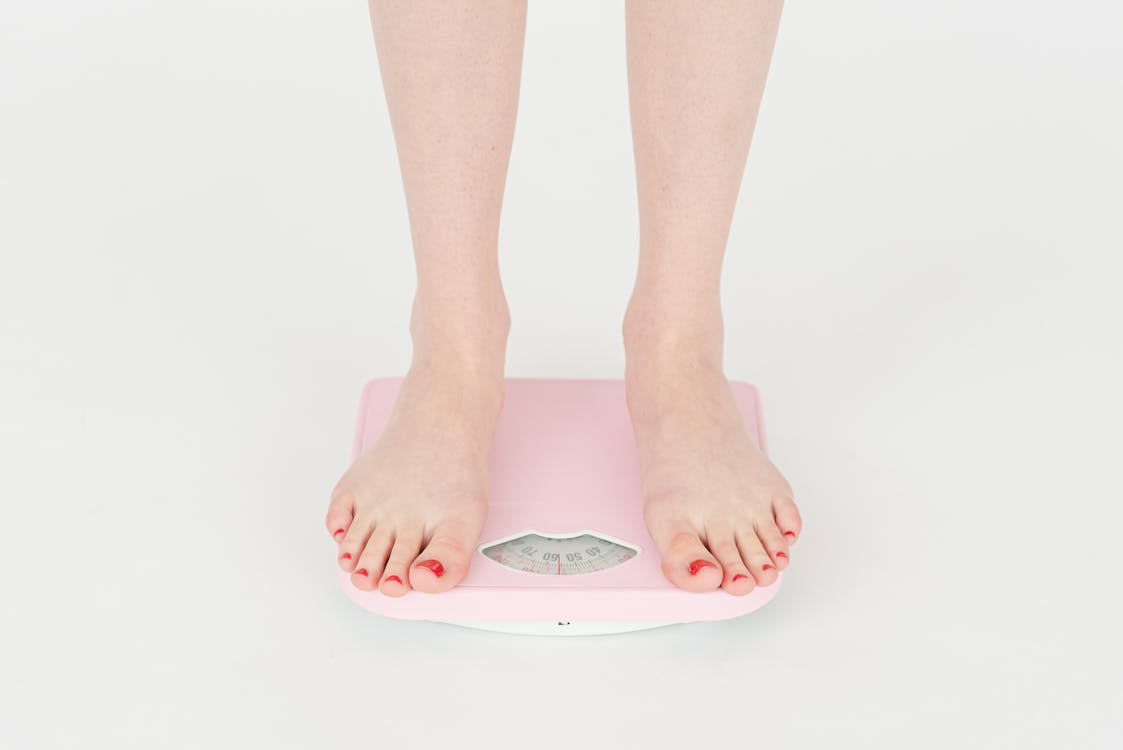
You've been doing everything right — counting calories, hitting the gym, eating clean — and then, without warning, the scale refuses to budge. If this sounds familiar, you've hit a weight loss plateau, and you're far from alone.
A weight loss plateau occurs when your body adapts to a calorie deficit and stops losing weight despite continued efforts. It's not failure — it's biology. Research shows that nearly everyone who diets experiences a plateau, typically within 3–6 months. This complete guide explains exactly why plateaus happen, the science behind them, and 10 proven strategies to break through and restart your fat loss — for good.
A weight loss plateau is one of the most frustrating experiences any dieter faces. One week you're losing a pound a week on track; the next, you're stuck in neutral — same diet, same exercise, zero results. Understanding why this happens is the key to solving it, and that starts with science.
What Is a Weight Loss Plateau? The Science Explained
A weight loss plateau is defined as a period of two to four weeks or longer where body weight does not change despite maintaining a calorie deficit. It is a well-documented physiological phenomenon, not a sign that you're doing something wrong.
When you first reduce your calories, your body burns through glycogen stores (carbohydrates stored in the liver and muscles), releasing water in the process. This explains why early weight loss is rapid. But once glycogen stores are depleted, true fat burning begins — and so does your body's survival response.
Your body is hardwired to resist weight loss. From an evolutionary standpoint, fat stores equal survival. When your brain detects sustained calorie restriction, it triggers a cascade of hormonal and metabolic adaptations designed to slow fat loss and protect stored energy. This process is known as metabolic adaptation — and it is the primary driver of the weight loss plateau.
A landmark study published in the New England Journal of Medicine tracked contestants from The Biggest Loser and found that their resting metabolic rates dropped dramatically during weight loss — and stayed suppressed for years after. This demonstrates just how aggressively the body fights back against sustained deficits.
Why Your Body Hits a Weight Loss Plateau: 5 Key Biological Reasons
Understanding the specific mechanisms behind a plateau empowers you to target them directly. Here are the five core reasons your fat loss stalls:
1. Metabolic Adaptation (Adaptive Thermogenesis)
As you lose weight, your Total Daily Energy Expenditure (TDEE) decreases — not just because you weigh less, but because your body actively reduces the number of calories it burns at rest. Research published in the American Journal of Clinical Nutrition shows that this "adaptive thermogenesis" can reduce resting metabolism by 200–400 calories per day beyond what you'd expect from weight loss alone. In plain terms: your body becomes dramatically more efficient, burning fewer calories to perform the same functions.
2. Reduced Body Weight = Lower Calorie Requirements
Every pound of body weight requires energy to move and maintain. As you lose 20, 30, or 40 pounds, your body simply needs fewer calories to function. A person who weighs 200 lbs burns significantly fewer calories than the same person at 250 lbs performing identical activities. Your original calorie deficit may now be close to maintenance level — meaning you've stopped losing fat without realizing it.
3. Hormonal Changes That Drive Hunger
Weight loss triggers powerful hormonal shifts that make you feel hungrier and less satisfied. Leptin — the satiety hormone produced by fat cells — drops significantly as you lose fat, signaling your brain to increase appetite and slow metabolism. Simultaneously, ghrelin, the "hunger hormone," rises during caloric restriction. Research from the Journal of Clinical Endocrinology & Metabolism confirms that these hormonal shifts persist long after the diet ends, creating a biological headwind that makes maintaining a deficit increasingly difficult. This is also why our complete science-backed guide to calorie deficit emphasizes high-protein diets — they're the most effective tool for suppressing ghrelin naturally.
4. Muscle Loss Reducing Calorie Burn
If your diet lacks adequate protein and you're not resistance training, your body breaks down muscle tissue along with fat during a calorie deficit. Muscle is metabolically expensive — it burns roughly 6–10 calories per pound per day at rest, compared to 2 calories per pound for fat. Losing muscle reduces your TDEE, making it progressively harder to maintain a meaningful deficit. This is why body composition matters just as much as the number on the scale.
5. Reduced Non-Exercise Activity Thermogenesis (NEAT)
One of the most overlooked contributors to the plateau is the unconscious reduction in NEAT — the calories you burn through everyday movements like fidgeting, walking around the house, and posture maintenance. Research has found that calorie restriction can reduce NEAT by 300–500 calories per day as the body subconsciously reduces unnecessary movement to conserve energy. You become more sedentary without realizing it.
How to Tell If You've Truly Hit a Plateau
Before troubleshooting your plateau, confirm that you've actually hit one. True plateaus last at least two to four consecutive weeks without weight loss. Short-term stalls of a few days are completely normal due to water retention (particularly around menstruation, high-sodium days, or intense exercise), digestive changes, and normal fluctuations in glycogen storage.
The most reliable way to track real progress is to weigh yourself daily at the same time (morning, after using the bathroom) and use a weekly average rather than daily readings. If your weekly average weight has not changed for three to four weeks despite consistent adherence to your diet and exercise plan, you've hit a true plateau.
10 Science-Backed Strategies to Break Through a Weight Loss Plateau
1. Recalculate Your TDEE and Reduce Calories Modestly
Because your body now weighs less and has adapted metabolically, your original calorie target is likely no longer sufficient to create a deficit. Recalculate your Total Daily Energy Expenditure using your current weight and reduce your intake by another 100–200 calories per day. Avoid drastically cutting further, as extreme restriction triggers stronger metabolic adaptation. You can use our calorie deficit calculator guide to recalculate accurately using the Mifflin-St Jeor equation.
2. Take a Strategic Diet Break (Refeed Week)
Counterintuitively, eating at maintenance calories for one to two weeks can restart fat loss. Called a "refeed" or "diet break," this strategy temporarily restores leptin levels, reduces cortisol, and resets hormonal signaling that has been suppressed by prolonged restriction. Research published in the journal Obesity found that participants who alternated two weeks on a diet with two weeks at maintenance lost more fat over 16 weeks than those who dieted continuously — and regained less weight afterward.
3. Increase Protein Intake
Protein is your most powerful tool during a plateau. It has the highest thermic effect of any macronutrient — your body burns 20–30% of its protein calories just digesting it. Protein also powerfully suppresses ghrelin and preserves lean muscle mass, preventing the metabolic slowdown caused by muscle loss. Aim for 1.6–2.2g of protein per kilogram of body weight. Foods like eggs, chicken breast, Greek yogurt, cottage cheese, and fish are ideal. Our egg diet approach naturally maximizes protein intake, making it exceptionally effective for breaking through plateaus without sacrificing satiety.
4. Add or Intensify Resistance Training
Adding muscle tissue is one of the most effective long-term strategies for breaking a plateau and preventing future ones. Muscle raises your resting metabolic rate permanently — each pound of added muscle burns an additional 6–10 calories per day at rest. Combined with the "afterburn effect" (EPOC — excess post-exercise oxygen consumption), resistance training creates a metabolic environment highly favorable to fat loss. Aim for two to four sessions per week of progressive overload training. Our article on whether fat can turn into muscle explains how resistance training reshapes your body composition during a plateau.
5. Incorporate Calorie Cycling
Rather than eating the same number of calories every day, calorie cycling alternates between higher and lower calorie days. This prevents your body from fully adapting to a fixed intake and can re-stimulate fat loss. A simple approach: eat at a moderate deficit five days per week and at maintenance calories on two days. This keeps hormones more balanced while maintaining an overall weekly deficit.
6. Boost NEAT Intentionally
Since your body unconsciously reduces NEAT during a diet, you need to consciously compensate. Add a 20–30 minute walk after dinner, take stairs instead of elevators, stand at your desk, and park farther away. These changes sound minor but can add 200–400 extra calories burned per day — enough to re-establish a meaningful deficit without changing your diet at all. The CDC recommends at least 150 minutes of moderate activity per week, and intentional NEAT is a highly underrated way to reach that target.
7. Improve Sleep Quality
Sleep deprivation directly causes weight loss plateaus. When you sleep fewer than seven hours, ghrelin rises by 15% and leptin falls by 15% — making you significantly hungrier and less satisfied by food. Additionally, cortisol (the stress hormone) elevates with poor sleep, which promotes fat storage specifically in the abdominal region and breaks down muscle tissue. Prioritize seven to nine hours of sleep per night. If you're dieting and sleeping poorly, fixing sleep may be the single most impactful change you can make. Our guide on how to lose belly fat covers the sleep-cortisol-fat connection in detail.
8. Manage Stress Actively
Chronic stress elevates cortisol, which directly promotes fat storage (particularly visceral belly fat) and muscle breakdown. Stress also drives emotional eating and increases cravings for high-calorie foods. Practices like meditation, yoga, journaling, and spending time in nature are scientifically validated to lower cortisol. Even 10 minutes of mindfulness per day has been shown to meaningfully reduce stress eating behaviors according to research from the National Institutes of Health.
9. Track Calories More Precisely
As the diet progresses, tracking accuracy tends to decline. Restaurant meals, cooking oils, handfuls of nuts, and "healthy" snacks are common sources of hidden calories that accumulate silently. During a plateau, tighten your tracking by weighing food on a kitchen scale rather than estimating portion sizes, tracking every bite including condiments and beverages, and cross-referencing restaurant calories with reliable databases. Even 200–300 additional untracked calories per day is enough to eliminate your deficit entirely.
10. Switch Up Your Exercise Routine
Your body adapts to repeated exercise just as it adapts to diet. If you've been doing the same cardio routine for months, your body has become highly efficient at it — burning fewer calories for the same effort. Introduce new training modalities: if you've been doing steady-state cardio, try HIIT (High-Intensity Interval Training), which research shows burns more calories in less time and creates a stronger EPOC effect. If you've been lifting weights with the same routine, apply progressive overload by increasing weight, reps, or training frequency.
Weight Loss Plateau vs. Weight Maintenance: Knowing the Difference
Not every plateau means something is wrong. If you've reached your goal weight and your body has stabilized, what feels like a plateau may actually be successful weight maintenance. The key distinction lies in your calorie intake relative to your TDEE. If you're eating at your maintenance calories and not gaining weight, that's success — not a stall.
However, if you're still in an active deficit and the scale hasn't moved in four or more weeks, your body has adapted. Use the strategies above to break through. And remember: the goal isn't just a lower number on the scale — it's sustainable fat loss and improved body composition. Sometimes the scale stalls while you're still making real progress in body composition as muscle is built and fat is lost simultaneously.
How Long Does a Plateau Last?
Most weight loss plateaus last between four and eight weeks when addressed with active intervention. Without changes to your approach, a plateau can persist indefinitely. The body has no inherent "timer" for resuming fat loss — it will maintain its adapted state as long as the conditions that caused it remain unchanged.
The good news is that most plateaus respond quickly to the strategies outlined above, particularly recalculating TDEE, increasing protein, adding resistance training, and taking a strategic diet break. Many people see the scale moving again within one to two weeks of implementing these changes.
The Psychological Side of the Weight Loss Plateau
Beyond the biology, weight loss plateaus take a significant psychological toll. The frustration of doing everything right and seeing no results leads many people to give up entirely — and this is where most weight loss journeys end prematurely.
Reframing the plateau as a sign of success — not failure — is crucial. Your body has changed significantly. You've built new habits. The scale isn't moving because your physiology has caught up to your efforts, not because the efforts aren't working. View it as a signal to adjust your approach, not abandon it.
Tracking non-scale victories during a plateau helps maintain motivation: how your clothes fit, improvements in strength and endurance, better sleep, more energy, and improved blood markers are all meaningful indicators of progress that the scale completely misses. For real-world inspiration of what's possible with sustained effort, explore our egg diet before and after results featuring real people who pushed through their plateaus to achieve remarkable transformations.
Sample 2-Week Plateau-Breaking Protocol
Week 1 — Diet Break (Refeed): Eat at your maintenance calories. Prioritize protein at 2g per kg of bodyweight. Maintain your exercise routine. Focus on sleep and stress management. This week exists to reset your hormones — trust the process.
Week 2 — Renewed Deficit: Recalculate your TDEE based on your current weight. Apply a fresh 500-calorie deficit. Add one new resistance training session per week. Increase daily steps by 2,000–3,000. Track every meal precisely using a food scale. Weigh yourself daily and calculate your weekly average — this is your new baseline.
By the end of two weeks, most people see movement on the scale, renewed energy, and restored motivation. The plateau has been broken — and with these strategies in your toolkit, the next one will be shorter and easier to overcome.
Related Articles You'll Love
- Calorie Deficit for Weight Loss: The Complete Science-Backed Guide (2026)
- How to Lose Belly Fat: The Complete Science-Backed Guide (2026)
- Foods That Boost Metabolism: The Complete Science-Backed Guide (2026)
- 28 Day Egg Diet Plan: Complete Guide, Meal Plan & Results (2026)
References
- Fothergill, E., et al. (2016). "Persistent metabolic adaptation 6 years after 'The Biggest Loser' competition." Obesity. Read Study
- Leibel, R.L., Rosenbaum, M., & Hirsch, J. (1995). "Changes in energy expenditure resulting from altered body weight." New England Journal of Medicine. Read Study
- Sumithran, P., et al. (2011). "Long-term persistence of hormonal adaptations to weight loss." New England Journal of Medicine. Read Study
- Byrne, N.M., et al. (2018). "Intermittent energy restriction improves weight loss efficiency in obese men: the MATADOR study." International Journal of Obesity. Read Study
- Levine, J.A. (2002). "Non-exercise activity thermogenesis (NEAT)." Best Practice & Research Clinical Endocrinology & Metabolism. Read Study
- Spiegel, K., et al. (2004). "Sleep curtailment in healthy young men is associated with decreased leptin levels, elevated ghrelin levels, and increased hunger and appetite." Annals of Internal Medicine. Read Study
- NIH National Institute of Diabetes and Digestive and Kidney Diseases. "Choosing a Safe & Successful Weight-loss Program." NIH Reference