
Quick Summary
- Cooking time: 10–13 minutes depending on your desired yolk texture.
- Key trick: Start with cold water, bring to a boil, then lower to a simmer.
- Ice bath: Non-negotiable — stops cooking and makes peeling effortless.
- Best eggs: Use eggs that are 7–10 days old for the easiest peeling.
- Nutrition: One large hard boiled egg packs 6g of protein and only 77 calories.
Table of Contents
Hard boiled eggs might be the most underrated food on the planet. They cost next to nothing, they cook in under 15 minutes, they last all week in the fridge, and they deliver a serious hit of protein, healthy fat, and micronutrients in a neat little shell. And yet, so many people either overcook them (hello, gray yolk) or end up with eggs that look like they survived a demolition derby after peeling.
This guide covers everything: the exact method, the timing table, the peeling tricks, and the science behind why eggs sometimes cooperate and sometimes absolutely do not. By the end, you will make perfect hard boiled eggs every single time.
Why Hard Boiled Eggs Deserve More Credit
Boiled eggs have been a dietary staple for thousands of years and for very good reason. Research published in the journal Nutrients confirms that eggs are one of the most nutrient-dense foods available, containing all nine essential amino acids along with vitamins D, B12, selenium, and choline — a nutrient that most people are quietly deficient in.
Unlike fried or scrambled eggs, the hard boiled method adds zero extra fat or calories. What you see is exactly what you get: pure, whole egg nutrition. That makes them an ideal food for anyone following a calorie-conscious eating plan, including the egg-based diet approaches we cover extensively on this blog. If you want to know exactly what is inside that shell, check out our deep dive on how many calories are in a boiled egg — the numbers might surprise you.
On top of that, a 2020 study in the American Heart Association journal tracking nearly half a million adults found that moderate egg consumption was not associated with cardiovascular risk and was actually linked to lower rates of hemorrhagic stroke. The egg fear of the 1990s has been thoroughly dismantled by modern nutrition science.
What You Need
No gadgets required. Here is the complete list:
- Eggs (as many as you want)
- A medium to large saucepan
- Cold water
- A slotted spoon or tongs
- A large bowl filled with ice and cold water (the ice bath)
- A timer — this is the one thing you must not skip
That is genuinely it. No egg cooker, no steamer, no sous vide machine. A pot and a timer will take you further than any gadget.
Step-by-Step: How to Make Hard Boiled Eggs
Choose the Right Eggs
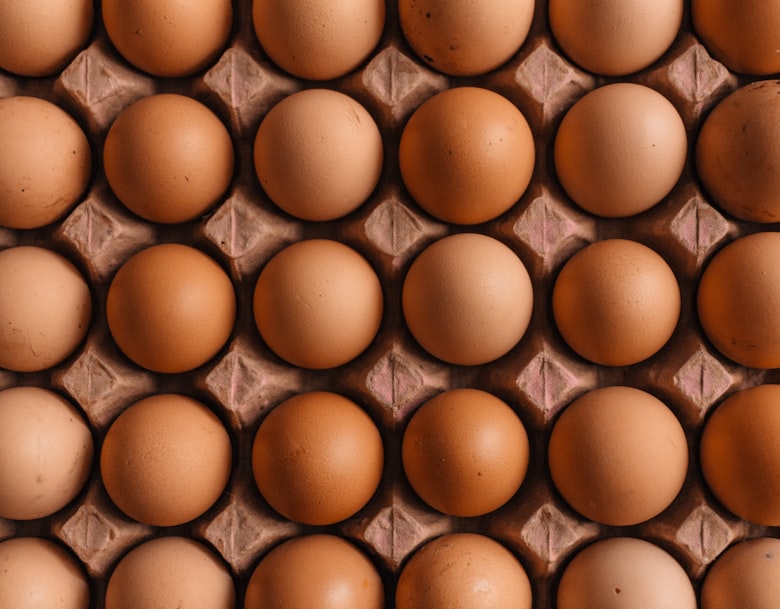
This sounds obvious, but it matters more than you think. Fresh-from-the-farm eggs, while delicious for frying, are notoriously difficult to peel because the egg white clings tightly to the inner membrane. Eggs that are 7 to 10 days old have a slightly higher pH in the white, which reduces that adhesion. Buy your eggs a week before boiling, or grab a carton that has been sitting in the store for a few days. The carton date is your friend here.
Place Eggs in the Pot and Cover with Cold Water
Arrange your eggs in a single layer at the bottom of the saucepan. Cover them with cold water by at least one inch. Starting with cold water and bringing everything up to temperature together ensures more even, consistent cooking and dramatically reduces the chance of shell cracking from thermal shock. Do not add eggs to already-boiling water unless you enjoy the sound of shells cracking.
Bring to a Full Boil Over Medium-High Heat
Set your burner to medium-high and bring the water to a rolling boil. Do not cover the pot during this phase — you want to be able to see exactly when the boil starts. This typically takes 8 to 10 minutes depending on your stove and pot size. Keep an eye on it.
Reduce to a Simmer and Start Your Timer
The moment the water reaches a full boil, reduce the heat to a gentle simmer and start your timer. This is the most important step in the whole process. A raging boil tosses the eggs around, leading to cracks and uneven cooking. A controlled simmer keeps everything calm and consistent. Your target time depends on how you like your yolk — see the timing table below.
Transfer to an Ice Bath Immediately
When the timer goes off, use a slotted spoon to transfer the eggs directly into your ice bath. Leave them there for a full 12 to 15 minutes. The ice bath does two critical things: it stops the cooking process instantly (preventing that dark green ring around the yolk) and it causes the egg to contract slightly away from the shell, making peeling significantly easier. This step is not optional. It is the difference between a good hard boiled egg and a great one.
Peel or Refrigerate
Once the eggs have chilled completely, they are ready to peel and eat, or store unpeeled in the refrigerator for up to one week. If you are peeling right away, see the peeling section below for the cleanest technique.
The Timing Guide (Never Guess Again)
The single most common question about hard boiled eggs is: how long exactly? The answer depends entirely on what you want the yolk to look like. Here is the definitive breakdown, timed from the moment the water reaches a boil and you reduce to a simmer:
| Time at Simmer | White Texture | Yolk Texture | Best For |
|---|---|---|---|
| 6 minutes | Fully set | Jammy, slightly runny center | Ramen, grain bowls |
| 9 minutes | Firm and smooth | Mostly set, pale orange center | Salads, snacking |
| 11 minutes | Firm | Fully set, bright yellow | Deviled eggs, meal prep |
| 13 minutes | Very firm | Fully set, slightly crumbly | Egg salad, long storage |
| 14+ minutes | Rubbery | Gray-green ring, chalky | Nobody — avoid this |
The gray-green ring that appears around an overcooked yolk is caused by a chemical reaction between iron in the yolk and hydrogen sulfide in the white. It is harmless to eat, but it signals that the egg has been overcooked and the texture will be noticeably drier and chalkier. The Food Chemistry journal published a detailed study on this reaction, confirming it accelerates rapidly above the 12-minute mark.
How to Peel Hard Boiled Eggs Without Losing Your Mind
Peeling is where most people get frustrated. After a proper ice bath, the process should be relatively smooth, but here is the technique that produces the cleanest results every time.
Gently tap the wide end of the egg on a hard surface to crack the shell. The wide end has an air pocket, which gives you a head start. Roll the egg gently under your palm on the counter to create a network of cracks all over the shell. Then hold the egg under a thin stream of cold running water and begin peeling from the wide end, getting your thumb under the membrane. The water seeps between the shell and the egg white and makes the whole thing slide off cleanly.
If peeling under running water still gives you trouble, try peeling the eggs while they are still slightly warm, about two to three minutes after the ice bath. The contrast between the cold shell and the slightly warm interior makes separation easier.
Common Mistakes to Avoid
These are the errors that separate a perfect hard boiled egg from a rubbery, gray, impossible-to-peel disaster.
Skipping the ice bath. This is the single biggest mistake. Without it, residual heat continues cooking the egg even after it leaves the pot. You will almost always overshoot your target doneness by at least two minutes.
Using eggs straight from the fridge in already-boiling water. The sudden temperature shock causes the shell to crack, which leads to egg white escaping into the water. Always start cold.
Boiling too aggressively. A rolling boil thrashes the eggs against each other and against the pot. Reduce to a simmer once you have your boil established.
Not using a timer. Eyeballing it does not work. Eggs cook fast and the difference between an 11-minute egg and a 14-minute egg is dramatic. Set a timer every single time.
Using eggs that are too fresh. As mentioned, very fresh eggs are significantly harder to peel. Plan ahead.
Nutrition & Health Benefits
A standard large hard boiled egg (about 50 grams) contains approximately 77 calories, 6.3 grams of complete protein, 5.3 grams of fat (including healthy unsaturated fats), and virtually zero carbohydrates. This makes it one of the most satiating foods per calorie available, a fact backed by research from the International Journal of Obesity, which found that eating eggs at breakfast significantly increased satiety and reduced overall calorie intake over the following 36 hours compared to a carbohydrate-matched breakfast.
Beyond protein, eggs are one of the best dietary sources of choline, a nutrient critical for brain function and liver health that over 90% of Americans do not get enough of according to data from the FASEB Journal. One egg delivers about 147mg of choline, which is roughly 27% of the daily recommended intake.
Hard boiled eggs fit seamlessly into high-protein meal plans, the egg diet, intermittent fasting windows, and low-carb eating. If you are using eggs as a core part of a weight loss strategy, our guide on high protein breakfasts for weight loss is a great companion read.
How to Store Hard Boiled Eggs
Unpeeled hard boiled eggs can be kept in the refrigerator for up to one week. Leave them in their shells — the shell acts as a natural protective barrier. Store them in their original carton or in a bowl, away from strongly scented foods since eggshells are porous and will absorb odors over time.
Peeled eggs should be stored in a sealed container, submerged in cold water (changed daily) or wrapped in damp paper towels. They will stay fresh for up to five days. The USDA Food Safety and Inspection Service recommends always refrigerating hard boiled eggs within two hours of cooking and never leaving them at room temperature for extended periods to avoid bacterial growth.
One important note: hard boiled eggs do not freeze well. The white becomes watery and rubbery after thawing. Stick to refrigerator storage.
Frequently Asked Questions
Why does my hard boiled egg have a green ring around the yolk?
The green ring is iron sulfide, formed when the egg is overcooked or cooled too slowly. It is completely harmless but indicates the yolk was exposed to excess heat. Use the ice bath and keep your simmer time under 13 minutes to avoid it.
Can I hard boil eggs in the microwave?
No. Eggs in their shell will explode in the microwave due to steam pressure build-up. Even without the shell, whole eggs are risky in the microwave. Stick to the stovetop method.
How do I know if a hard boiled egg is fully cooked without cracking it?
Spin the egg on a flat surface. A hard boiled egg spins smoothly and quickly. A raw egg wobbles because the liquid interior shifts as it spins. It sounds silly but it genuinely works.
Can I hard boil eggs straight from the freezer?
Eggs should not be frozen in their shells at all — the liquid expands and cracks the shell. If you have shelled raw eggs that were frozen, thaw them in the fridge first, but the texture will be compromised for boiling. Fresh is always best.
Does adding salt to the water help?
Adding salt or vinegar to the cooking water is often recommended as a trick to make peeling easier or to seal cracks. The evidence for easier peeling is weak, but salt does raise the boiling point very slightly and can help seal a crack if a shell does split during cooking. It does not noticeably affect flavor.
References:
1. Egg consumption and human health. Nutrients, 2015. Read on PubMed
2. Egg consumption and cardiovascular disease risk. American Heart Association, 2020. Read study
3. Iron-sulfur ring in hard-cooked eggs. Food Chemistry, 2007. Read study
4. Egg breakfast and satiety. International Journal of Obesity, 2008. Read study
5. Choline inadequacy in the U.S. FASEB Journal, 2018. Read study
6. USDA egg storage guidelines. Read guidelines