
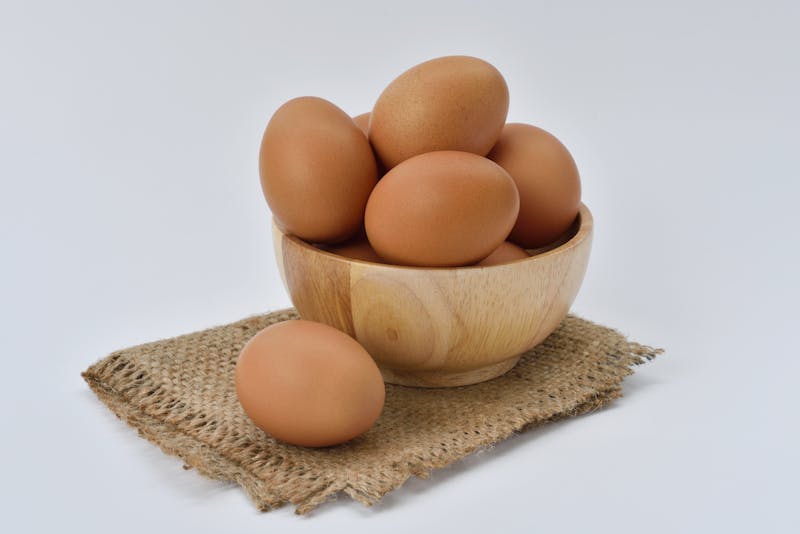
If you're following the egg diet, counting protein for weight loss, or simply trying to understand exactly what's in the food you eat every day, this guide gives you the complete breakdown of protein in eggs — from raw numbers to practical application for your diet and fitness goals.
Eggs are among the most protein-efficient foods on Earth. Understanding their protein content — and how to maximize its benefits — can make a significant difference in your results whether you're losing weight, building muscle, or simply trying to eat healthier.
How Much Protein Is in One Egg?
The protein content of an egg depends on its size. According to the USDA FoodData Central, here are the protein values for different egg sizes:
- Small egg (38g): 4.9g protein
- Medium egg (44g): 5.7g protein
- Large egg (50g): 6.3g protein
- Extra-large egg (56g): 7.0g protein
- Jumbo egg (63g): 7.9g protein
The large egg (50g) is the standard used in most recipes and nutritional databases. For most practical purposes, plan for approximately 6 grams of protein per large egg.
Egg White Protein vs Egg Yolk Protein: The Complete Breakdown
Many people assume all egg protein is in the white — this is a widespread misconception. Here's the accurate breakdown for a large egg:
Egg White
- Protein: 3.6g (57% of total egg protein)
- Calories: 17 calories
- Fat: 0g
- Carbohydrates: 0.24g
- Primary proteins: Ovalbumin (54%), ovotransferrin (12%), ovomucoid (11%), and lysozyme
Egg Yolk
- Protein: 2.7g (43% of total egg protein)
- Calories: 55 calories
- Fat: 4.5g (primarily healthy unsaturated fats)
- Carbohydrates: 0.61g
- Cholesterol: 186mg
- Additional nutrition: Vitamins A, D, E, K, B12, choline, lutein, zeaxanthin
This is a critical point: the yolk contains 43% of the egg's protein plus virtually all of its fat-soluble vitamins and choline. Discarding yolks to "save calories" sacrifices significant protein and the majority of the egg's micronutrient value.
Egg Protein Quality: Why Eggs Rank at the Top
The quantity of protein is only half the story. Quality matters just as much — specifically, whether a protein provides all essential amino acids in the right proportions for human nutrition. This is measured by several scientific indices:
Biological Value (BV)
Biological Value measures how efficiently the body uses absorbed protein. Egg protein has a BV of 100 — the highest of any whole food. This means the body can use virtually all the protein it absorbs from eggs for muscle synthesis and bodily functions.
Protein Digestibility Corrected Amino Acid Score (PDCAAS)
PDCAAS is considered the gold standard for protein quality assessment by the Food and Agriculture Organization (FAO). Egg protein scores 1.0 (the maximum possible score), tied with casein (dairy protein) and significantly higher than plant proteins like soy (0.91), wheat (0.42), or rice (0.59).
Essential Amino Acid Profile
Eggs contain all 9 essential amino acids — those the human body cannot synthesize and must obtain through diet:
- Histidine: 148mg per large egg
- Isoleucine: 343mg
- Leucine: 534mg (critical for muscle protein synthesis)
- Lysine: 455mg
- Methionine: 196mg
- Phenylalanine: 334mg
- Threonine: 271mg
- Tryptophan: 83mg
- Valine: 428mg
Leucine deserves special attention: it is the primary trigger for muscle protein synthesis. At 534mg per egg, eggs provide meaningful leucine in every meal — directly supporting muscle building and preservation during weight loss.
Protein Absorption: Cooked vs Raw Eggs
How you prepare your eggs significantly affects protein bioavailability. A landmark study published in the Journal of Nutrition found a dramatic difference: the body absorbs approximately 91% of protein from cooked eggs but only 51% of protein from raw eggs.
This occurs because cooking denatures (unfolds) the complex protein structures in egg whites, making them much more accessible to digestive enzymes. Raw egg white contains avidin, a protein that binds biotin (vitamin B7) and prevents its absorption, and also contains enzyme inhibitors that reduce protein digestion efficiency.
Practical takeaway: Always cook your eggs. Cooking nearly doubles the usable protein per egg compared to eating them raw — an especially important consideration on the egg diet where you're consuming multiple eggs daily.
Protein Per Egg by Cooking Method
Cooking method has minimal impact on total protein content but can affect digestibility and caloric content (depending on added fats):
- Hard-boiled egg: 6.3g protein, 78 calories (best for meal prep, high protein bioavailability)
- Poached egg: 6.3g protein, 71 calories (no added fat, excellent bioavailability)
- Scrambled (no butter): 6.1g protein, 91 calories (slight moisture loss, slightly lower bioavailability)
- Fried (1 tsp oil): 6.2g protein, 90 calories (similar to scrambled)
- Soft-boiled: 6.3g protein, 77 calories (yolk slightly undercooked, slightly lower digestibility)
For maximum protein efficiency with minimum calories on the egg diet, hard-boiled and poached eggs are the optimal preparation methods.
How Much Egg Protein Do You Need Per Day?
Your protein needs depend on your body weight, activity level, and dietary goals. General guidelines from leading nutrition organizations:
For Weight Loss (Sedentary to Lightly Active)
The National Academy of Medicine recommends a minimum of 0.8g protein per kg of body weight for sedentary adults. For weight loss with muscle preservation, most sports nutrition and obesity medicine guidelines support 1.2–1.6g per kg.
Example: A 70kg (154 lb) person aiming for weight loss needs approximately 84–112g protein daily. That's the equivalent of 13–18 large eggs if eggs were the only protein source — though most people combine eggs with other proteins on the egg diet.
For Muscle Building (Active Individuals)
The International Journal of Sport Nutrition and Exercise Metabolism recommends 1.6–2.2g protein per kg for muscle hypertrophy. A 70kg person needs 112–154g daily — achievable through a combination of eggs and other protein sources.
For Older Adults (65+)
Research in Nutrients shows that older adults require 1.2–1.6g per kg to maintain muscle mass (due to "anabolic resistance" — the reduced efficiency of protein utilization). Eggs are ideal for this demographic due to their high digestibility and complete amino acid profile.
Egg Protein and Weight Loss: The Science
Protein is the most satiating macronutrient. A 2008 study in the International Journal of Obesity found that people who ate an egg-based breakfast reported 36% lower hunger scores and consumed 417 fewer calories over the following 24 hours compared to those who ate a bagel breakfast with equivalent calories. The protein content of eggs — and its effect on ghrelin (the hunger hormone) and GLP-1 (the satiety hormone) — was identified as the primary mechanism.
This is the foundational principle behind why the egg diet works for weight loss. The high protein intake from multiple daily egg servings keeps hunger controlled through hormonal mechanisms, making it significantly easier to maintain the caloric deficit required for fat loss.
Practical Guide: How to Hit Your Protein Goals with Eggs on the Egg Diet
Here's how many eggs you need at different protein targets:
- 60g protein target: ~10 large eggs (or 6 eggs + other protein sources)
- 80g protein target: ~13 large eggs (or 8 eggs + other protein sources)
- 100g protein target: ~16 large eggs (or 10 eggs + other protein sources)
- 120g protein target: ~19 large eggs (or 12 eggs + other protein sources)
Most egg diet protocols recommend 3–6 whole eggs per day, supplemented with other approved proteins (chicken, fish, turkey) to hit total daily targets without excessive cholesterol intake from yolks. Check our egg diet meal prep guide for specific recipes that maximize protein efficiency.
Egg White Protein Powder vs Whole Eggs: What's Better?
Egg white protein powder (albumen protein) provides approximately 25–27g of protein per 30g serving — significantly more concentrated than whole eggs. However, whole eggs provide substantially better overall nutrition:
- Whole eggs contain choline (virtually absent in egg white powder)
- Whole eggs provide fat-soluble vitamins (A, D, E, K) — absent in egg white powder
- Whole eggs contain carotenoids (lutein and zeaxanthin) important for eye health
- Whole eggs are more satiating due to fat content
For the egg diet specifically, whole eggs are superior to egg white protein supplements due to their complete nutritional profile and real-food satiety advantages.
Frequently Asked Questions (FAQ)
How much protein is in 2 eggs?
Two large eggs provide approximately 12.6g of protein (6.3g × 2). This represents around 15–21% of most adults' daily protein requirements for weight loss, depending on body weight and activity level.
Is it better to eat egg whites or whole eggs for protein?
Whole eggs are superior for overall nutrition. While egg whites provide slightly more protein per calorie (3.6g at 17 calories vs 2.7g in the yolk at 55 calories), the yolk provides vitamins, choline, and healthy fats that significantly enhance the nutritional value. Unless you have specific cholesterol concerns, eat the whole egg.
How much protein is in 3 eggs?
Three large eggs provide approximately 18.9g of protein. Combined with vegetables and other approved foods on the egg diet, this provides a protein-rich, satisfying meal that supports both satiety and muscle preservation during weight loss.
Are egg whites complete proteins?
Yes. Egg white is a complete protein, containing all 9 essential amino acids. The yolk is also a complete protein. The whole egg is considered the gold standard of protein quality in nutritional science, with a PDCAAS of 1.0.
Do hard-boiled eggs have more protein than scrambled?
The total protein content is essentially identical. However, hard-boiled eggs have slightly higher protein bioavailability (more fully cooked, no added fats potentially affecting digestion) and zero additional calories from butter or oil. For weight loss on the egg diet, hard-boiled is the optimal method.
How many eggs a day to lose weight?
Most egg diet protocols recommend 3–6 eggs per day as the dietary anchor, complemented by other protein sources and non-starchy vegetables. This range provides 19–38g of egg-sourced protein and creates a strong satiety base for the day while keeping dietary cholesterol within manageable levels.
The Bottom Line
Eggs are genuinely exceptional sources of high-quality protein. Each large egg provides approximately 6.3g of complete, highly bioavailable protein — making them one of the most protein-efficient whole foods available per calorie and per dollar.
Understanding the protein content of eggs, the difference between white and yolk, and how cooking affects bioavailability helps you maximize results on the egg diet and any protein-focused eating plan.
For your complete guide to building the most effective egg-based eating plan, explore our egg diet meal prep guide and the 28-day egg diet plan.
This article is for informational purposes only. Nutritional data is sourced from USDA FoodData Central and peer-reviewed research. Individual nutritional needs vary — consult a registered dietitian for personalized guidance.

Researcher and blogger specializing in weight loss and fat burning tips. Passionate advocate of the Egg Diet — a personal journey that led to real, lasting results. Also a certified swimming coach who believes movement and smart nutrition go hand in hand.